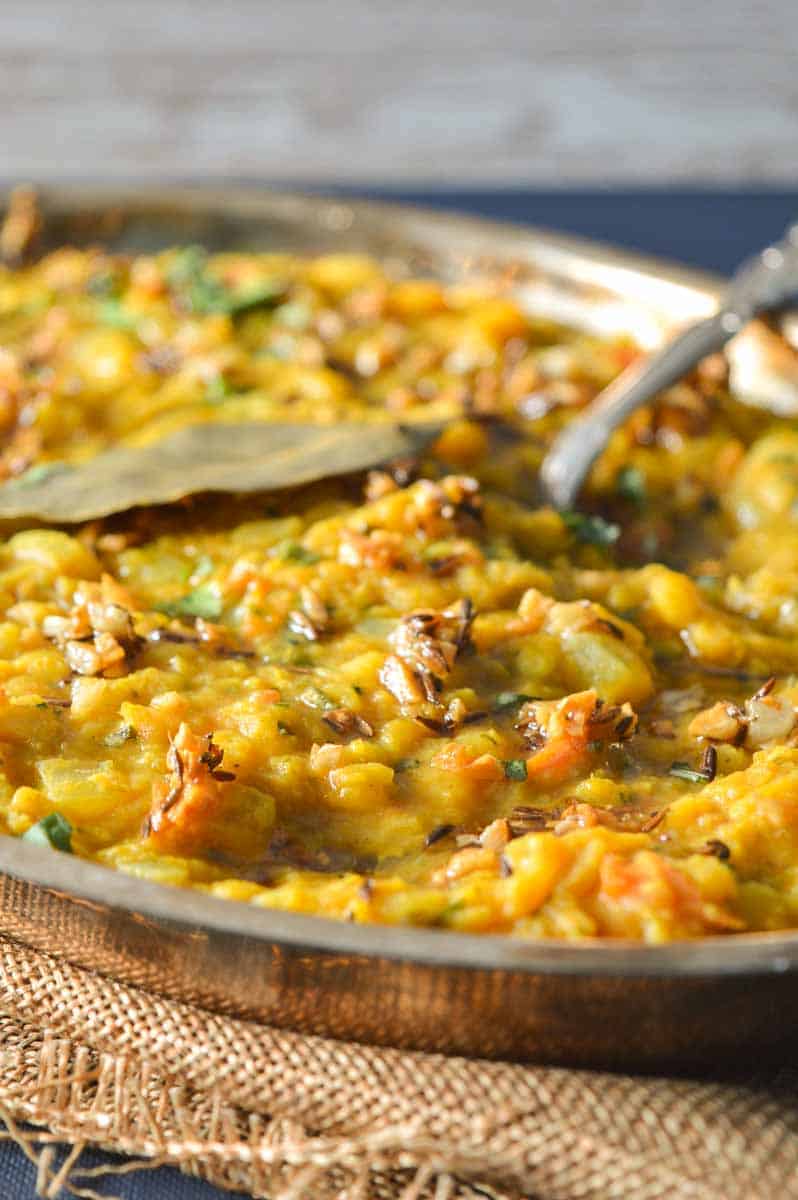
Creamy Dal Tadka: Best Lentils & Why It's a Vegetarian Star
Few dishes encapsulate the heartwarming essence of Indian cuisine quite like a perfectly prepared Dal Tadka. This humble yet profoundly flavorful lentil stew has ascended to superstar status, gracing the menus of countless eateries and becoming a beloved fixture in Indian homes. When we talk about dal tadka restaurant style, we're not just referring to a dish; we're talking about a culinary experience – a symphony of textures and aromas designed to delight the senses. Often dubbed "Dhaba style" in India, referencing the rustic, delicious fare found at roadside eateries, this particular rendition of dal tadka offers unparalleled comfort and robust flavor. It's affordable, satisfying, and simply irresistible, earning its place as a quintessential vegetarian main course.
The Dual-Flavor Magic Behind Restaurant-Style Dal Tadka
What truly sets dal tadka restaurant style apart from a simple lentil soup is its ingenious two-stage flavor infusion. This method, a hallmark of skilled Indian cooking, builds complexity and depth that makes every spoonful memorable.
- The Foundation: A Robust Masala Base
The first layer of flavor comes from a meticulously crafted masala. This typically involves sautéing finely chopped onions until golden, followed by a pungent combination of ginger and garlic. Fresh green chilies add a subtle heat, while diced tomatoes introduce a pleasant tanginess. Crucially, a medley of ground spices – turmeric, cumin, coriander, and sometimes a hint of garam masala – is cooked with this aromatic base until their raw edges are mellowed, and their essential oils are released. This rich, savory paste is then gently stirred into the pre-cooked, tender lentils, transforming them into a dish that's already wonderfully appetizing. You could stop here, and you'd have a delicious, nutritious meal. But to achieve that signature restaurant quality, there's another crucial step. - The Grand Finale: The Sizzling Tadka (Tempering)
This is where the magic truly happens, elevating the dish to extraordinary heights. "Tadka" translates to tempering, a technique where whole spices are briefly fried in hot ghee (clarified butter) or oil to release their volatile compounds and infuse the fat with their essence. For dal tadka, this typically involves whole cumin seeds crackling to perfection, often joined by mustard seeds, dried red chilies, a pinch of asafoetida (hing), and fragrant curry leaves. This sizzling, aromatic infusion is then poured directly over the prepared dal just before serving. The contrast between the hot, spiced oil and the creamy lentils creates an explosion of flavor and a captivating aroma that defines dal tadka restaurant style. It's a culinary "double blast" that borders on mad scientist genius, as some might say! This method is expertly explored in more detail in our article Unlock Restaurant Style Dal Tadka: The Double Flavor Secret.
Unlocking the Signature Creamy Texture: The Secret of Lentils
Beyond its layered flavors, the hallmark of excellent dal tadka restaurant style is its inviting texture. It's not a chunky stew, nor is it a thin broth. Instead, it strikes a perfect balance: a luscious, creamy consistency where the lentils are cooked until soft and indistinct, almost melting into the gravy. Achieving this requires selecting the right lentils and cooking them properly.
While many types of lentils are used in Indian cuisine, two stand out for creating that desirable creamy texture in dal tadka:
- Toor Dal (Split Pigeon Peas): Often referred to as "Arhar dal," Toor dal is perhaps the most quintessential choice for dal tadka. These medium-sized, split yellow lentils cook down beautifully, becoming wonderfully soft and contributing a natural sweetness and nutty flavor. They hold their shape just enough to provide body but easily break down to create that signature creamy consistency. Toor dal is readily available at Indian grocery stores and is also excellent in other dishes like Sambar, making a large bag a worthwhile investment for any Indian food enthusiast.
- Masoor Dal (Red Lentils): These small, split, orange-pink lentils are another fantastic option, often used alone or in combination with Toor dal. Masoor dal cooks very quickly and completely breaks down, contributing significantly to the dish's creaminess without much effort. Their mild flavor makes them a versatile base.
- The Power of Combination: Many restaurants and experienced home cooks opt for a blend of lentils, often combining Toor dal with a smaller proportion of Masoor dal and sometimes even a touch of Moong dal (split yellow mung beans). This creates a more complex texture profile and deeper flavor, combining the body of Toor dal with the melt-in-your-mouth creaminess of Masoor dal.
Expert Tip for Creaminess: To ensure your lentils achieve maximum creaminess, always wash them thoroughly before cooking. For Toor dal, a quick 15-30 minute soak can help them cook more evenly and quickly, though it's not strictly necessary. Cook the lentils until they are very tender – almost mushy – either in a pressure cooker or a pot, stirring occasionally to prevent sticking. A vigorous whisk or an immersion blender can be used briefly at the end to achieve a perfectly smooth, consistent texture if desired.
Elevating the Experience: Dhaba-Style Smoked Flavors and Creative Twists
To truly capture the authentic, rustic charm of Dhaba-style or dal tadka restaurant style, some culinary artists introduce an optional, yet highly impactful, element: smoke infusion. This traditional technique, known as "dhungar," involves placing a small, burning piece of charcoal in a bowl within the dal, drizzling it with a bit of ghee, and then quickly covering the pot to trap the fragrant smoke. This infuses the lentils with a distinctive, earthy aroma that’s incredibly inviting.
While the charcoal method can be a bit elaborate for the average home kitchen, there are ingenious shortcuts to achieve a similar smoky essence without the theatrics:
- Black Cardamom in Tempering: As an elegant cheat, adding a couple of black cardamom pods to your final tadka (tempering) can impart a wonderful, subtle smoky note. Black cardamom has a distinctly robust, smoky, and camphor-like flavor profile that works beautifully to mimic the traditional dhungar.
- Smoked Paprika: A pinch of high-quality smoked paprika can also be stirred into the masala base or the tempering for a nuanced smoky undertone.
- The Ghee Advantage: Beyond just carrying spice flavors, using pure ghee for your tadka contributes its own rich, nutty aroma that enhances the overall "restaurant style" profile, adding a layer of luxuriousness that oil alone cannot replicate.
These creative twists allow home cooks to elevate their dal tadka, bringing a touch of that authentic Dhaba flavor right to their dining tables, without needing a dedicated smoke setup. For those looking to master the process at home efficiently, our guide Dhaba Style Dal Tadka at Home: Easy Recipe in 30 Minutes offers practical steps for a quick and flavorful result.
Beyond the Bowl: Why Dal Tadka Reigns as a Vegetarian Star
Dal tadka's enduring popularity isn't just about its incredible flavor and texture; it's also about its versatility and inherent goodness. It truly is a vegetarian star, capable of anchoring an entire meal or complementing a grand feast.
- A Hearty Main Course: Served with warm, flaky parathas, soft chapatis, or fluffy naan bread, a bowl of dal tadka restaurant style transforms into a complete and satisfying meal. The bread is perfect for scooping up every last drop of the creamy, spiced lentils.
- The Perfect Accompaniment: It pairs beautifully with a simple bowl of plain steamed rice or aromatic jeera rice (cumin rice), offering a comforting and nourishing combination that's a staple in Indian households. It can also be part of a larger thali, complementing vegetable curries, raita, and pickles.
- Nutritional Powerhouse: As a lentil-based dish, dal tadka is naturally rich in plant-based protein, dietary fiber, and essential minerals like iron and folate. It’s a fantastic option for vegetarians and vegans (simply substitute oil for ghee in the tempering), providing sustained energy and satiety. It's also naturally gluten-free, catering to various dietary needs.
- The Ultimate Comfort Food: There's an undeniable warmth and soul-soothing quality to dal tadka. Its rich, aromatic flavors and creamy texture evoke a sense of comfort and home, making it a perennial favorite for any occasion.
Whether you're new to Indian cuisine or a long-time enthusiast, the allure of dal tadka is universal. Its ability to satisfy, nourish, and delight makes it a true culinary icon.
In conclusion, dal tadka restaurant style is a testament to the brilliance of Indian cooking – a dish built on layers of flavor, perfected textures, and humble yet powerful ingredients. From the initial aromatic masala to the final, sizzling tempering, every step contributes to its status as a creamy, satisfying, and utterly delicious vegetarian star. So next time you're craving a meal that truly nourishes both body and soul, look no further than this incredible lentil masterpiece. It might just become your new favorite!
